


Song for the Stars: from the search for life to a message in music
Science meets music in Maui
Scientific director Jeff Kuhn introduces the SELF telescope concept designed to separate the faint light of nearby exoplanets from their stars, the scientific research that helped inspire Song for the Stars.
The conversation continues in the Science and Song Salon.
Explore ExoLifeFinder →
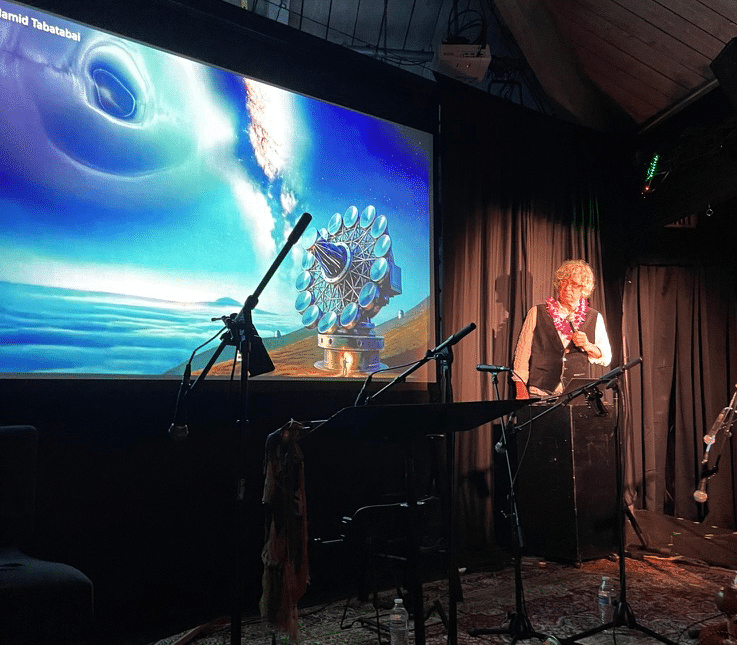
SELF in Maui
Jeff Kuhn presenting the SELF telescope concept during Song for the Stars in Maui
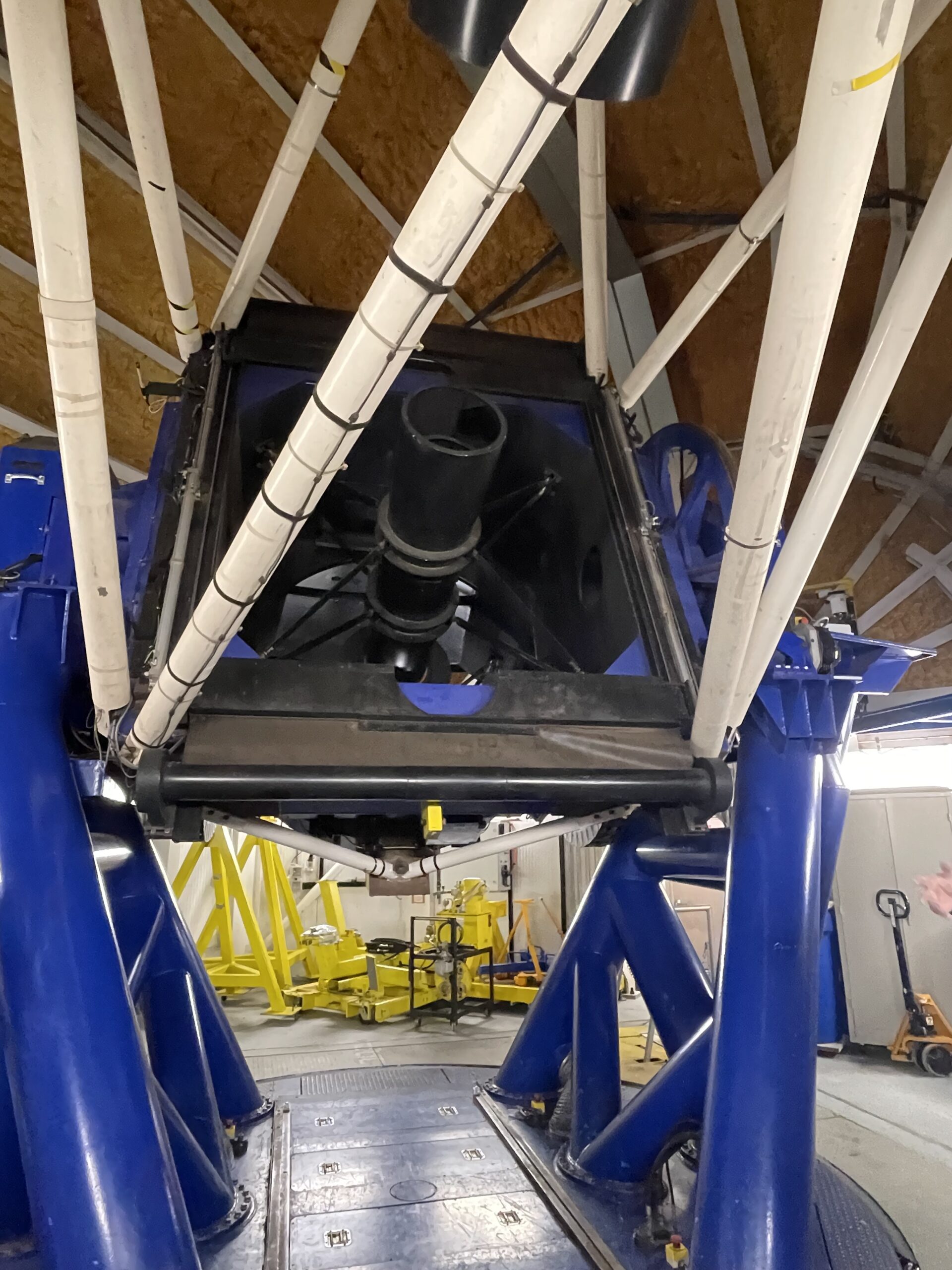
SELF is already taking shape in Tenerife
A one-tenth-scale ELF prototype is already in Tenerife, where the system is being developed and tested. It represents an important step toward the full-scale ExoLifeFinder telescope, and a tangible link between the science behind Song for the Stars and the search for other worlds.Jeff Kuhn · Astrophysicist
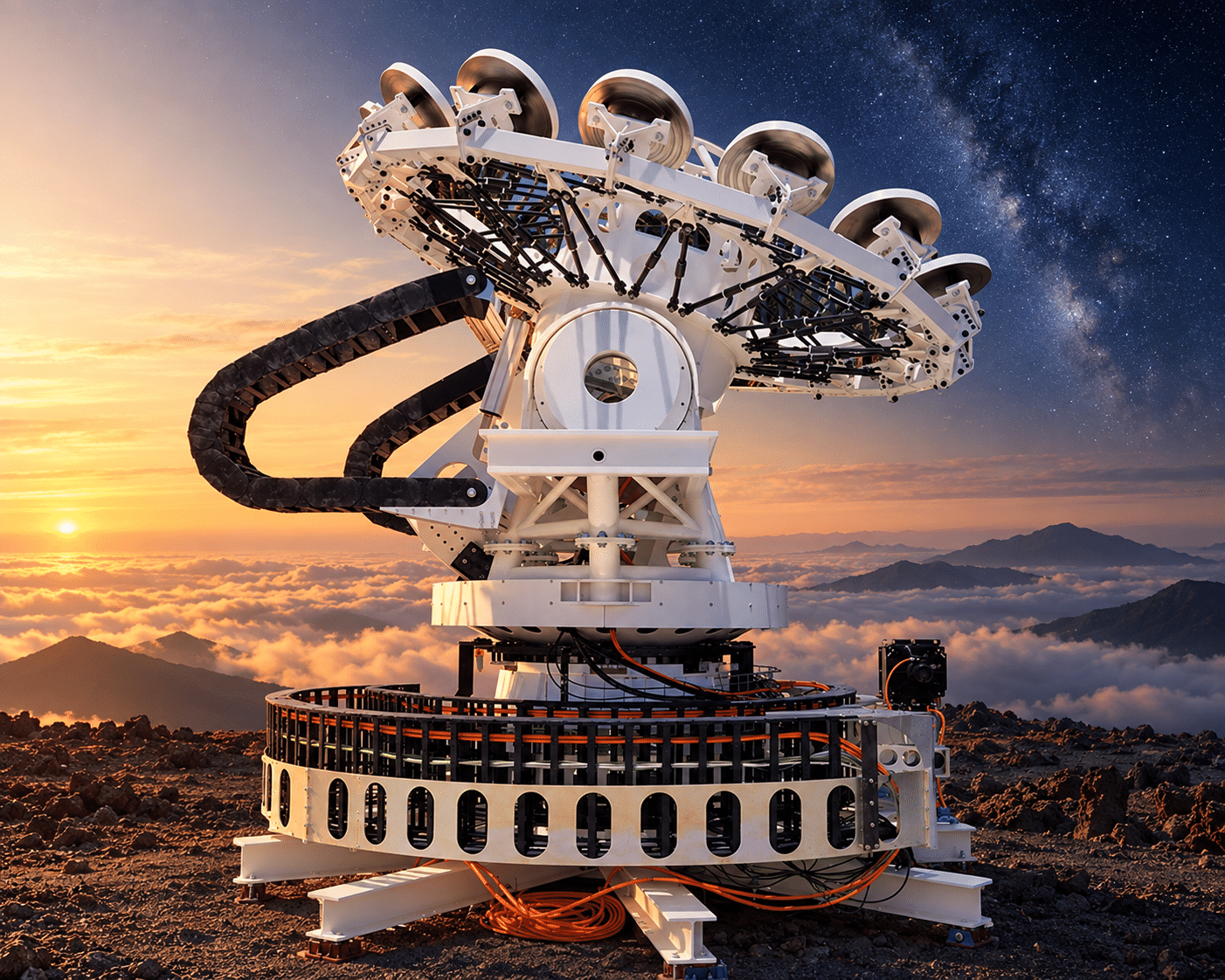
The small SELF prototype, a first step toward ExoLifeFinder
Song for the Stars
At its core lies a shared principle: listening.
In music, listening shapes rhythm, breath, and resonance.
In astronomy, it means precision, the focused attention required to receive and interpret faint signals from distant worlds.
Developed in connection with advanced optical research and initiatives such as the ExoLifeFinder telescope, Song for the Stars links human perception with scientific discovery, creating a space where art and astrophysics meet.
Listening as discovery
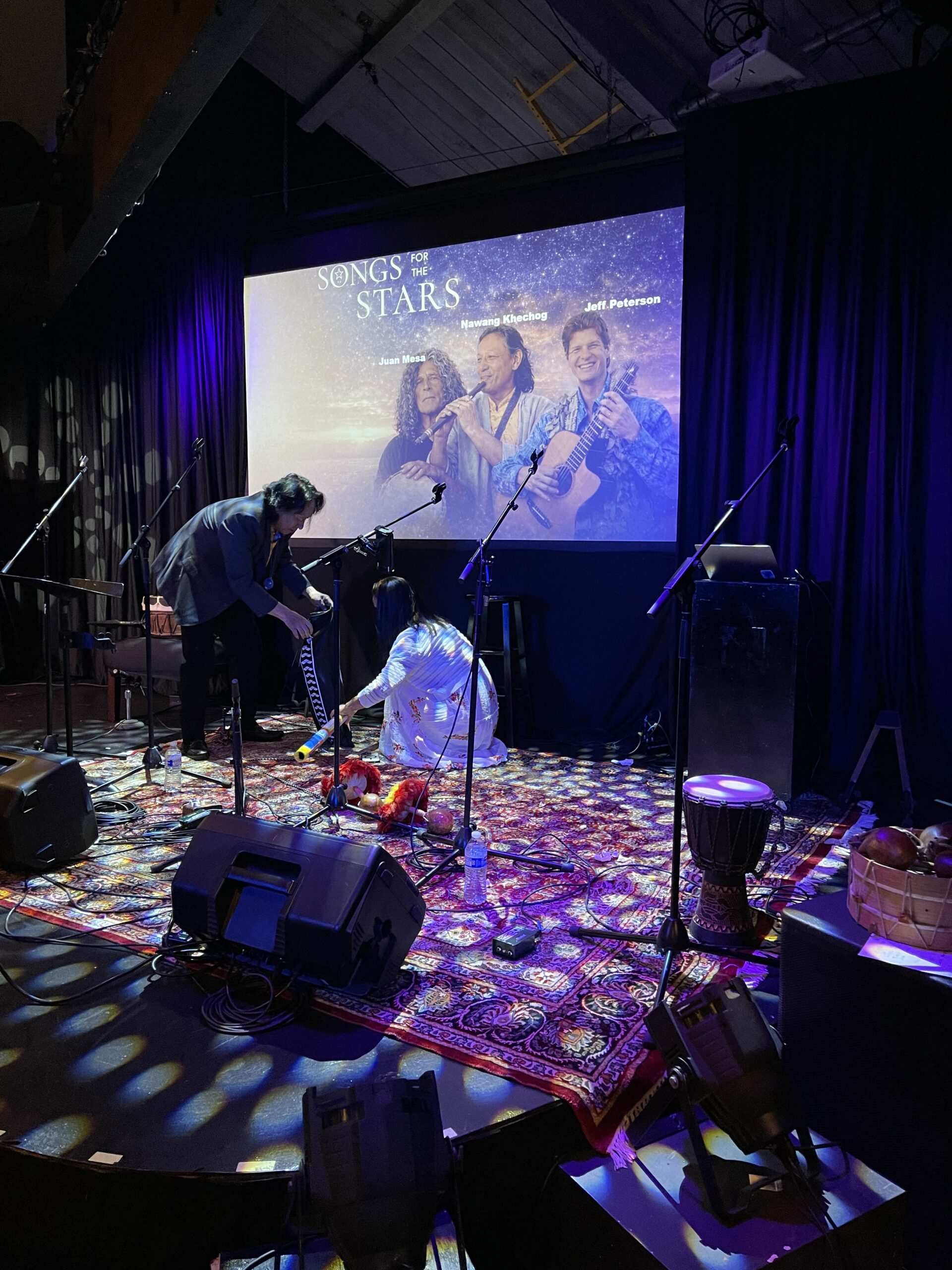
Musicians from Canary Island, Tibet and Hawaii meet on one stage to share cultural memory through sound, voice, strings, flute and resonance, held in a contemporary setting.
What begins as performance becomes dialogue, between cultures, between perception and science, and between human listening and the wider universe.
An intimate Maui matinee where music, meaning, and scientific imagination meet.
Part of Song for the Stars, a music and astrophysics project in Maui, Hawaii.